



Watermelon Benefits for Seniors: Discover watermelon is the delicious solution for essential hydration and electrolyte balance crucial for senior vitality.
Watermelon is more than just a classic summer treat; it’s a nutritional powerhouse offering specific, significant health benefits for older adults. As our bodies change with age, common issues like persistent dehydration, increasing chronic inflammation, and cardiovascular concerns become more prevalent. This juicy fruit, with its refreshing flavor and nutrient-rich profile, can act as a delicious and natural ally in maintaining vitality and promoting overall well-being. By focusing on the benefits of eating watermelon daily, seniors can proactively support their health.
This comprehensive guide explores the top Watermelon Benefits for Seniors, detailing how this simple dietary addition can boost your health from your heart to your joints.
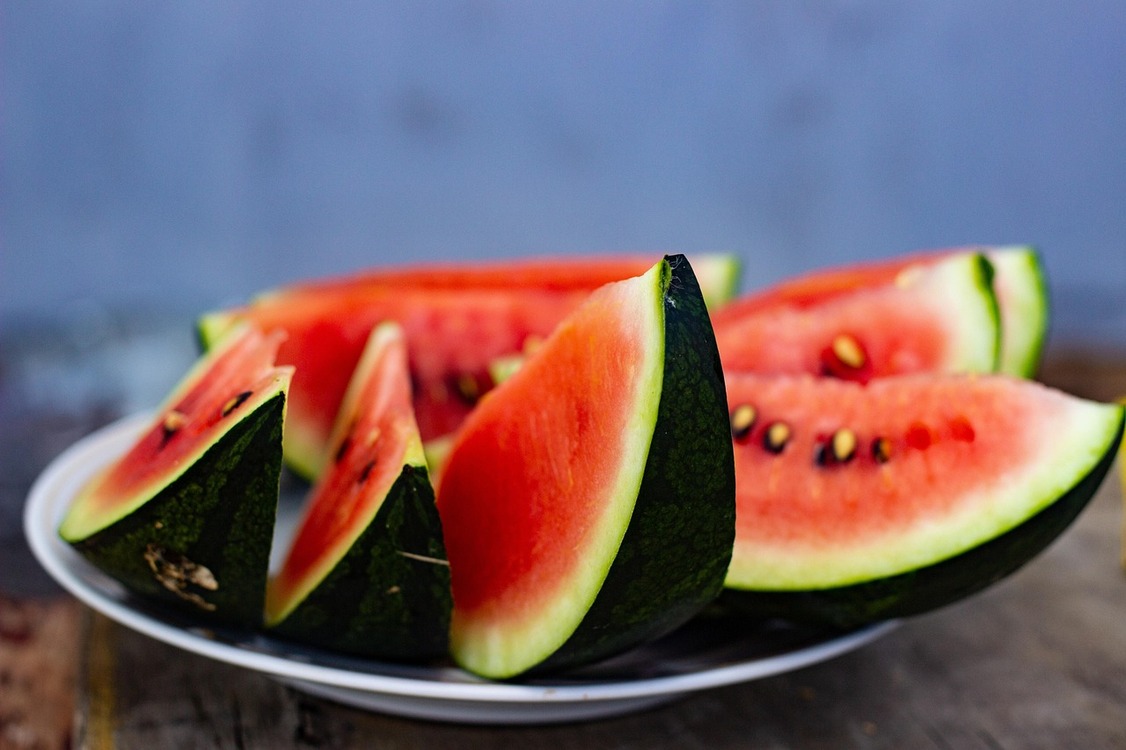
Before diving into the benefits, it helps to understand what makes this fruit so effective. Watermelon is unique because it is composed of nearly 92% water, making it one of the best high water containing fruits available and exceptionally low in calorie density.
Beyond the water, one cup (152 grams) of raw, diced watermelon delivers a rich blend of essential compounds:
By combining low calories with high nutrient content, watermelon easily qualifies as a super food, a simple addition that delivers maximum nutritional impact.
For seniors, maintaining proper hydration is arguably the single most important, yet often overlooked, dietary requirement. Many older adults experience a reduced sensation of thirst, meaning the body doesn’t send strong signals to drink, putting them at higher risk for chronic dehydration.
Watermelon as a Natural Fluid Replenisher:
Watermelon addresses this challenge perfectly. Its high water content naturally helps replenish fluids, but it goes a step further by providing electrolytes (potassium and magnesium). These are essential for the body to retain water efficiently, regulate body temperature, and ensure proper organ function and nutrient delivery to cells. Consuming this fruit is an ideal strategy for watermelon for elderly dehydration prevention.
Choosing to eat foods with high water content, like watermelon, is an enjoyable and easy way to support daily water intake and maintain energy and alertness, helping you stay healthy and active.
Heart disease remains a leading cause of death worldwide. Fortunately, lifestyle choices, particularly diet, play a massive role in reducing risk factors like high blood pressure and cholesterol. Watermelon offers a dual-action approach to supporting your heart, positioning it among the natural foods to reduce high blood pressure.
Lycopene: The Cholesterol Fighter:
Watermelon is one of the richest dietary sources of lycopene, the powerful red pigment that is also a potent antioxidant.
Citrulline: The Blood Pressure Regulator:
Watermelon is rich in the amino acid citrulline. Once consumed, the body converts citrulline into arginine, which is then used to produce nitric oxide. This process demonstrates why citrulline is good for blood pressure regulation.
Chronic inflammation is a key driver of many age-related chronic diseases, from heart issues and cancer to debilitating conditions like arthritis.
Watermelon is packed with a unique combination of anti-inflammatory compounds:
Furthermore, the citrulline in watermelon offers benefits that extend to physical activity, helping to relieve muscle soreness and improve recovery, ensuring older adults can stay active comfortably.
The overall nutritional profile of watermelon addresses several other common concerns for seniors:
Vision Protection:
Watermelon is a good source of beta-carotene, which the body converts into Vitamin A. Vitamin A is essential for good vision and plays a critical role in protecting against age-related eye conditions, including age-related macular degeneration (AMD) and cataracts; common causes of vision loss in older adults.
Digestive Health and Kidney Support:
The combination of high water content and a small amount of fiber is perfect for promoting a healthy digestive system and preventing common issues like constipation. The water efficiently moves waste through the digestive tract, while the fiber keeps bowel movements regular.
Additionally, watermelon acts as a gentle natural diuretic. This helps the kidneys process waste products like ammonia, easing strain on the kidneys. This diuretic property is why many recognize the significant watermelon benefits for kidney function.
Watermelon for Skin Care:
While not an immediate concern, the Vitamin C in watermelon helps the body produce collagen, keeping skin supple and potentially decreasing the chances of developing wrinkles and dry skin. Vitamin A also aids in the creation and repair of skin cells, demonstrating a subtle but effective Watermelon for skin care advantage.
While the Watermelon Benefits for Seniors are extensive, it’s important to consume it mindfully, especially if you have pre-existing health conditions:
The sweet, refreshing taste of watermelon is just the beginning. For older adults seeking natural, delicious ways to support their body, the high content of water, lycopene, citrulline, and essential minerals makes it an invaluable addition to the diet. Whether you are aiming for better blood pressure control, improved hydration, or stronger defense against chronic inflammation, the Watermelon Benefits for Seniors are a clear reminder that good health can be simple and enjoyable. Incorporating watermelon into your daily routine offers tangible benefits of eating watermelon daily.
Frequently Asked Questions:
Is watermelon a super food? Yes, watermelon is widely considered a super food. This term is used for foods that offer high nutritional benefits (packed with vitamins, minerals, and antioxidants) while being minimally caloric. Watermelon fits this description.
Does watermelon have a lot of sugar? Watermelon does contain natural sugar, but it has less sugar than many other fruits. A medium-sized serving (roughly one-sixth of a melon) has about 17.7g of total sugars. Due to its high water and fiber content, it can be included in a healthy diet even for those monitoring their blood sugar.
Can seniors eat watermelon at night? Since watermelon is mostly water and can help hydrate your body, you can certainly eat it before bed. However, because of its high water content, consuming very large portions late at night might increase the need to wake up for bathroom trips.
This information is for educational purposes only and should not be considered medical advice. Always consult with a healthcare professional for personalized guidance regarding your health, diet, and any medical conditions.
Health Education Agriculture and Logistics (HEAL) Group, based in Nepal and registered as a 501(c)(3) nonprofit in the U.S., has been a catalyst for positive change since 2014. Focusing on health, education, agriculture, and logistics, we combine local insights with innovative solutions to serve underserved and marginalized communities.
Stay updated with our latest news and initiatives! Subscribe now to join our mission and make a difference.
Leave a Reply