

Discover the surprising truth about your drink daily —are you drinking too little or too much? Find out how it affects your health in ways you never knew!
Dehydration occurs when your body loses more fluids than it takes in. It affects everything from energy levels and digestion to eye hydration and even hair hydration. Seniors are particularly at risk due to a decreased sense of thirst and underlying health issues. Staying hydrated supports cognitive function, joint mobility, and overall well-being.
Overhydration, or water intoxication, happens when the body takes in too much water too quickly, diluting essential minerals like sodium. It’s rare but possible, especially when trying to drink daily large amounts without balancing electrolytes. Signs include nausea, confusion, and in extreme cases, seizures. The key is balance—not too little, not too much.
Being aware of early warning signs can help prevent serious complications:
Recognizing these symptoms early allows for instant hydration strategies to take effect, such as sipping water or eating water-rich fruits.
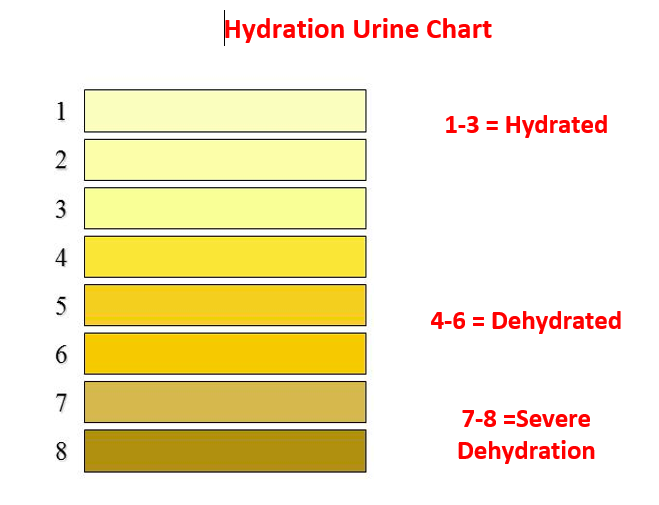
You can perform a simple hydration test by pinching the skin on the back of your hand—if it’s slow to return to normal, you might be dehydrated. Another easy method is checking your urine: pale yellow is a sign of healthy hydration (See on the picture). Tools like the hydration sphere in wellness apps or smart bottles can also track your fluid intake and prompt you to stay on schedule.
Older adults should aim to drink daily around 6–8 glasses (1.5 to 2 liters) of water. This can vary based on health conditions and medications. For seniors who don’t enjoy plain water, options like herbal teas, broth, or hydration watermelon smoothies can make hydration easier and more enjoyable.
One of the easy ways to stay hydrated is to include water-rich foods in your diet. Think:
These provide instant hydration, along with vitamins and fiber. Bonus: they also support skin and hair hydration from the inside out.
Consistency is key. Create a simple habit like:
These routines can support regular hair hydration treatment, skin glow (like from a hydration facial), and long-term health.
Health Education Agriculture and Logistics (HEAL) Group, based in Nepal and registered as a 501(c)(3) nonprofit in the U.S., has been a catalyst for positive change since 2014. Focusing on health, education, agriculture, and logistics, we combine local insights with innovative solutions to serve underserved and marginalized communities.
Stay updated with our latest news and initiatives! Subscribe now to join our mission and make a difference.
Leave a Reply