


Maintaining good heart and bone health is undoubtedly crucial for seniors who want to stay active and vibrant as they age. While a balanced diet packed with nutrients can do wonders, certain foods can hinder this effort. Knowing what to avoid is certainly just as important as knowing what to eat. This guide will walk you through the foods that seniors should limit or eliminate to keep their hearts and bones in top shape.
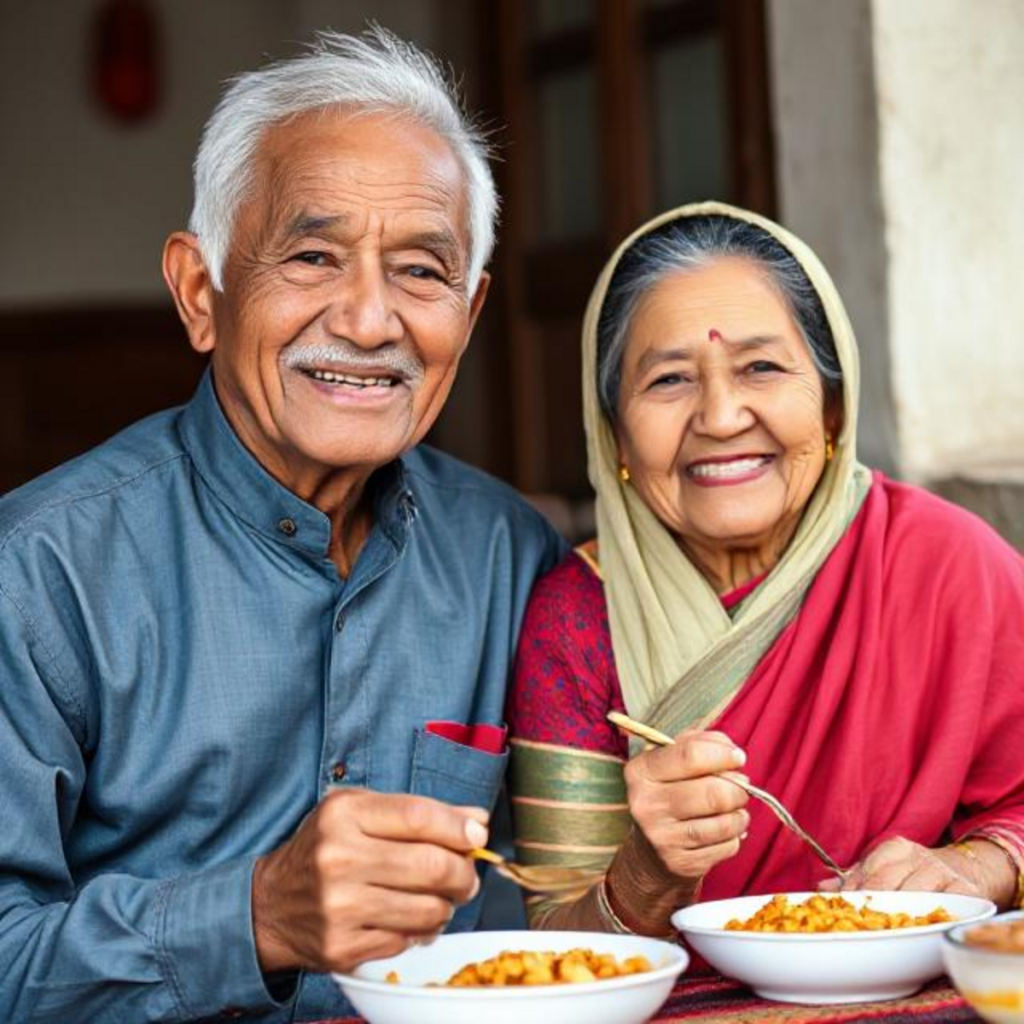
As we age, our bodies undergo significantly impactful changes. The heart works harder to maintain circulation, while bones may lose density, increasing fracture risk. The right diet can meaningfully help minimize these challenges, protecting vital organs and ensuring overall well-being.
For seniors, especially those in assisted living facilities or retirement communities, poor dietary decisions can mean elevated risks of heart disease, osteoporosis, and other health complications. For instance, excess sodium can spike blood pressure, while nutritional deficiencies may lead to weakened bones. Making conscious food choices can reduce these risks and support a long, active life. Learn more about senior nutrition advice for overall health maintenance, particularly noteworthy for those receiving elderly care or utilizing meals on wheels.
Highly Processed Foods
Highly processed foods are loaded with salt, trans fats, and artificial preservatives. In seniors, especially those in senior housing, this can lead to increased blood pressure and reduced heart function. Packaged snacks, canned soups, and microwavable meals may seem convenient, but their high sodium levels can wreak havoc on cardiovascular health. Hospitals like the Mayo Clinic emphatically recommend limiting processed food intake to avoid complications.
Sugary drinks, like sodas and energy beverages, contribute significantly to weight gain and can raise the risk of Type 2 diabetes, which is a major precursor to heart disease. Desserts high in sugar can have a similar impact. Instead of reaching for sweetened beverages, consider water or herbal teas—a thoughtful choice for seniors in independent living.
Red meats such as beef and lamb, along with processed varieties like sausages or bacon, are packed with saturated fats and nitrates. Over time, they can increase LDL (bad cholesterol) levels, clog arteries, and put undue strain on the heart. Studies from Piedmont Healthcare evidently highlight the negative impact of these foods on cardiac health—a compelling reason for seniors to make changes.
Who doesn’t enjoy crispy French fries or fried chicken? Unfortunately, fried foods are among the worst offenders for shrinking arteries and increasing bad cholesterol. Cooking methods that involve trans fats create more harm than good. Limiting or avoiding these entirely ensures a safer dietary path—assuredly a wise decision for those in retirement homes or requiring senior care.
Did you know too much sodium doesn’t just raise blood pressure—it also weakens bones? Research shows that high-salty diets can cause calcium loss through urine, depleting the very mineral that keeps your skeleton strong. Opt for fresh, unprocessed items with no added salt to stay on track—precisely what seniors need.
Coffee might be a morning ritual, but overdoing it hampers calcium absorption. Seniors with multiple cups of coffee daily might unknowingly harm their bones. Opt for lower-caffeine alternatives like decaf coffee or herbal tea. More insightful nutrition for bones can be found here.
While an occasional glass of wine may be fine, overindulging reduces bone density. Alcohol interferes with calcium absorption and impacts overall nutrient levels, making fractures more likely over time. Moderation is key—fundamentally important for all seniors.
While avoiding harmful foods is essential, focus on nutritious, wholesome alternatives to build a strong foundation for heart and bone health—positively impacting their quality of life.
Replace processed foods with fresh vegetables, whole grains, and lean proteins like chicken or fish. Unsaturated fats found in avocados and olive oil can help maintain good cholesterol levels. The American Heart Association clearly emphasizes eating a diet rich in whole, minimally processed foods.
Dark leafy greens such as spinach or kale, fortified dairy alternatives, almonds, and tofu are excellent options to strengthen bones. These are rich in calcium and magnesium, essential for maintaining bone density. Comprehensive dietary tips are available at Bone Health & Osteoporosis Foundation—impressively resourceful for seniors and their caregivers.
As we age, our dietary habits play a more significantly impactful role in optimizing health. Avoid foods high in salt, sugar, and unhealthy fats to protect your heart and bones. Instead, embrace choices that fuel your body with the vitamins and minerals it needs. By being mindful and proactive, seniors, including those in elder care settings, can enjoy a healthier, happier lifestyle. It’s never too late to prioritize your well-being—because every healthy choice adds days, energy, and joy to your life! Honestly, this is the best path forward.
Health Education Agriculture and Logistics (HEAL) Group, based in Nepal and registered as a 501(c)(3) nonprofit in the U.S., has been a catalyst for positive change since 2014. Focusing on health, education, agriculture, and logistics, we combine local insights with innovative solutions to serve underserved and marginalized communities.
Stay updated with our latest news and initiatives! Subscribe now to join our mission and make a difference.
Leave a Reply