


Discover manganese benefits for seniors! Learn how this mineral strengthens bones, protects brain health, and boosts collagen naturally for healthy aging.
For aging gracefully, we often hear about the “big” nutrients like Vitamin D or Calcium. However, the latest nutritional science highlights that Manganese Benefits for Seniors are equally vital for maintaining a high quality of life. This trace mineral may be required in small amounts, but its impact on the aging body is immense.
The Foundation of Strength:
A primary concern for many older adults is how to prevent age-related bone loss. Manganese acts as the essential “mortar” between the “bricks” of calcium, ensuring your skeletal structure remains dense and resilient. Beyond bones, it serves as one of the most effective nutrients to strengthen ligaments and tendons. By encouraging the body to create natural sources of collagen for joints, manganese helps maintain the flexibility needed for an active, independent lifestyle.
The advantages extend to the mind as well. Utilizing manganese for brain health helps protect delicate neural pathways from oxidative stress, supporting faster signal transmission and cognitive clarity. Simultaneously, it fuels the body’s internal antioxidant system to fight the chronic inflammation that often accompanies aging.
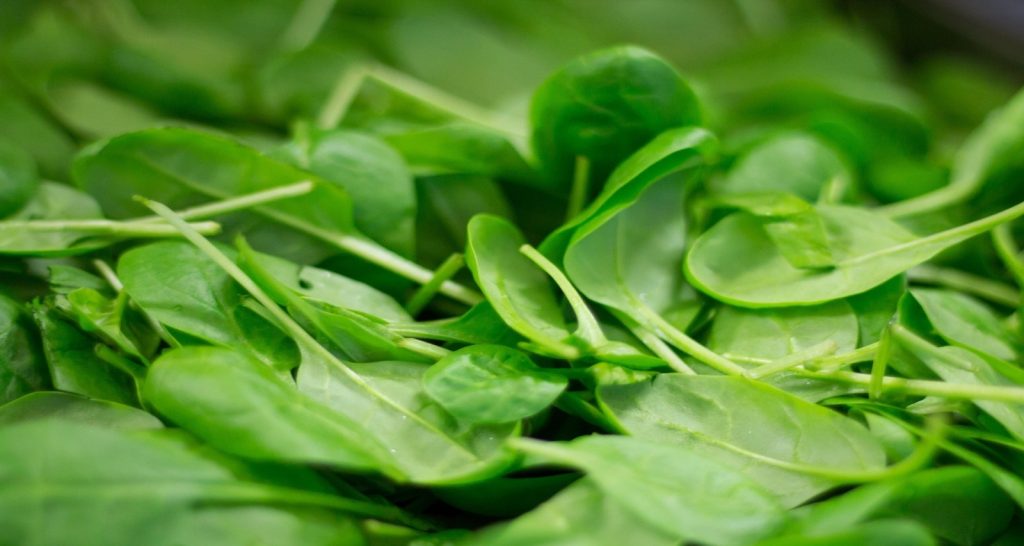
The best way to tap into these perks is through a diet rich in whole grains, nuts, and leafy greens. By focusing on these manganese-rich foods for health, most individuals can easily reach their daily goals without the need for pills. To ensure you stay within a safe dose of manganese, a food-first approach is always recommended, providing a steady, natural supply of energy and protection.
When we talk about nutrition for longevity, minerals like calcium and magnesium usually steal the spotlight. However, there is a “mighty” trace mineral quietly working behind the scenes that deserves your attention. Understanding the manganese benefits for seniors can be a game-changer for maintaining an active, independent lifestyle.
Though our bodies only require it in small amounts, manganese plays a giant role in how we move, heal, and think. Here is how this trace mineral helps you age with vitality.

One of the greatest concerns for older adults is how to prevent age-related bone loss. While calcium is the “brick” of the bone, manganese acts like the “mortar.” Research shows that manganese works in synergy with calcium, zinc, and copper to improve bone mineral density.
But the benefits don’t stop at the bone. If you are looking for nutrients to strengthen ligaments and tendons, manganese is a top contender. It helps the body produce proline, an amino acid required to create collagen. For those seeking natural sources of collagen for joints, consuming manganese-rich foods allows your body to “bio-manufacture” its own collagen internally, supporting the cartilage that keeps your movements fluid and pain-free.
As we age, our bodies face increased “oxidative stress.” Manganese is a key component of an antioxidant enzyme called Superoxide Dismutase (SOD). This is one of your body’s most powerful defenders against cell damage.
The role of manganese for brain health is particularly vital. It helps neurons send signals effectively, supporting memory and cognitive speed. By activating SOD, manganese also helps reduce systemic inflammation, protecting your heart and brain cells from free radical damage linked to chronic diseases.
The best way to enjoy manganese benefits for seniors is through a balanced diet. Incorporating manganese-rich foods for health is easier than you might think. Most of these items are staples of a heart-healthy diet:
Because it is a “trace” mineral, you only need a tiny amount to see results. The current recommended daily intake is 2.3 mg for men and 1.8 mg for women. Most people meet this through a single cup of tea and a serving of whole grains.
While deficiency is rare, it can lead to mood changes or skin rashes. However, “more” is not always “better.” A safe dose of manganese usually comes directly from your diet. High-dose supplements can potentially lead to toxicity or interfere with thyroid health. As always, consult your healthcare provider before starting any new supplement regimen to ensure it aligns with your specific health profile.
From discovering how to prevent age-related bone loss to fueling your brain, the manganese benefits for seniors are too significant to ignore. By focusing on a variety of whole grains, nuts, and greens, you are providing your body with the tools it needs to stay resilient and sharp.
This information is for educational purposes only and should not be considered medical advice. Always consult with a healthcare professional for personalized guidance regarding your health, diet, and any medical conditions.
1. Balachandran, Rekha C. et al. “Brain manganese and the balance between essential roles and neurotoxicity”, Journal of Biol Chem, 2020 Mar 18; 295(19):6312–6329, PMCID: PMC7212623.
2. Cleveland Clinic – Health Essentials (2023): “5 Manganese Benefits and Best Food Sources”.
3. National Institutes of Health (NIH) – Office of Dietary Supplements: “Manganese Fact Sheet for Health Professionals”.
4. Oregon State University – Linus Pauling Institute: “Manganese”.
5. WebMD: “Manganese – Uses, Side Effects, and More”.
Health Education Agriculture and Logistics (HEAL) Group, based in Nepal and registered as a 501(c)(3) nonprofit in the U.S., has been a catalyst for positive change since 2014. Focusing on health, education, agriculture, and logistics, we combine local insights with innovative solutions to serve underserved and marginalized communities.
Stay updated with our latest news and initiatives! Subscribe now to join our mission and make a difference.
Leave a Reply