


Discover the benefits of eating whole foods for better health, more energy, and reduced risk of chronic diseases with a nutrient-rich diet.
Maintaining a diet rich in whole foods is essential for overall health and long-term wellness. To promote better nutrition and prevent chronic diseases, it is important to limit processed foods and sugar, limit processed foods and sugary drinks, and limit processed foods and added sugars. Reducing intake of processed foods, sugary drinks, and alcohol, as well as processed foods and sodium and processed foods and refined sugar, can help lower the risk of obesity, diabetes, heart disease, and other health issues.
Focusing on how to eat more whole foods, including fruits, vegetables, whole grains, lean proteins, nuts, and seeds, ensures adequate intake of essential vitamins, minerals, fiber, and antioxidants. Eating whole foods for a month can help establish sustainable healthy eating habits, reduce cravings for processed items, and improve energy levels and overall health. The benefits of eating whole foods include enhanced
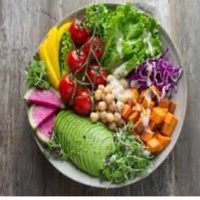
Whole foods are minimally processed or not processed at all. They are close to their natural state and tend to be richer in vitamins, minerals, fiber, and antioxidants compared to processed foods. Whole foods also have a lower glycemic load, meaning they release sugar into the bloodstream more slowly. This helps maintain steady energy levels and reduces the risk of insulin resistance and type 2 diabetes.
Examples of Whole Foods:
According to the Healthy Eating Plate guidelines, fill half your plate with vegetables, a quarter with whole grains, and a quarter with lean protein such as poultry, fish, or beans.
Processed foods undergo cooking, roasting, grinding, separation, boiling, or pasteurization to make them safe, cheaper, or shelf-stable. They are designed to be tasty, convenient, and visually appealing. However, they are often high in salt, sugar, refined grains, starches, preservatives, and artificial additives. Overconsumption can increase inflammation and raise the risk of obesity, heart disease, and other chronic conditions. Processed foods are typically low in nutrients and high in “empty calories.”
Examples of Processed Foods:
Tip: Limit processed foods to just a few times a week and focus on making whole foods the mainstay of your diet.
This blog post is for informational and educational purposes only and should not be considered a substitute for professional medical advice, diagnosis, or treatment. Always seek the advice of your physician or other qualified health provider with any questions you may have regarding a medical condition.
Health Education Agriculture and Logistics (HEAL) Group, based in Nepal and registered as a 501(c)(3) nonprofit in the U.S., has been a catalyst for positive change since 2014. Focusing on health, education, agriculture, and logistics, we combine local insights with innovative solutions to serve underserved and marginalized communities.
Stay updated with our latest news and initiatives! Subscribe now to join our mission and make a difference.
Leave a Reply