


Combat Hypertension naturally! Discover why onions, rich in Quercetin, are the best food for your aging heart and lowering BP.
The humble onion is a powerful, science-backed dietary ally for heart health, especially for the aging heart. Its effectiveness in helping to combat hypertension is largely due to its high concentration of Quercetin, a potent flavonoid.
This compound helps relax and widen blood vessels (a key strategy against stiff arteries) and supports better blood flow. Furthermore, onions are excellent potassium rich foods to lower BP naturally, counteracting the effects of sodium.
Incorporating onions into your daily routine is one of the simple dietary changes to lower BP fast naturally through consistent use. By supporting the body’s natural anti-inflammatory and vascular functions, onions contribute significantly to an anti-inflammatory diet for high blood pressure, offering excellent onion benefits for cholesterol control and making them one of the best for vascular health.
As we enter our senior years, keeping our cardiovascular system running smoothly becomes a top priority. While managing high blood pressure (hypertension) often involves medications, diet plays a huge supporting role. Learning how to combat hypertension through simple dietary additions like the onion makes it an ideal friend for your aging heart. The humble onion is packed with simple, effective, and affordable support, offering one of the simple dietary changes to lower BP fast naturally through consistent use.
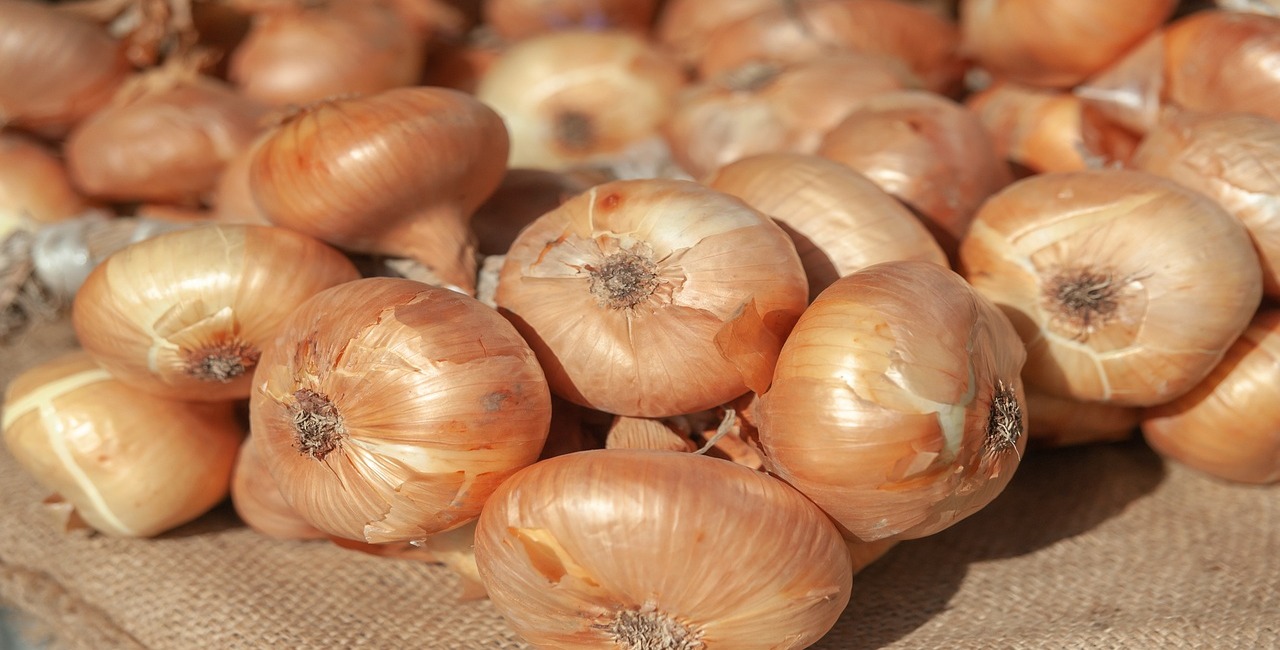
For seniors, consistent high blood pressure is a major concern. Onions help directly tackle this challenge through specific, well-researched compounds:
The Star Player: Quercetin:
Red and yellow onions are rich in quercetin, a powerful plant antioxidant central to an anti-inflammatory diet for high blood pressure. Quercetin helps your blood vessels function better in two key ways:
The Mineral Balancer: Potassium:
Onions naturally contain Potassium, a vital mineral. Potassium helps the kidneys flush out excess sodium, making onions one of the key Potassium rich foods to lower BP and a crucial strategy to help combat hypertension.
The benefits of the onion extend beyond just blood pressure numbers, offering practical cardiovascular support:
To get the most benefit for your heart, remember that raw or lightly cooked onions retain the most beneficial compounds.
.
The onion is a powerful dietary ally, but it is not a substitute for medical treatment. If you have hypertension, you must:
By enjoying onions regularly, you’re embracing a simple, traditional, and science-backed way to support your heart health and actively combat hypertension well into your senior years. Which onion variety, red or yellow, are you going to add to your next anti-inflammatory diet for high blood pressure meal?
This information is for educational purposes only and should not be considered medical advice. Always consult with a healthcare professional for personalized guidance regarding your health, diet, and any medical conditions.
Health Education Agriculture and Logistics (HEAL) Group, based in Nepal and registered as a 501(c)(3) nonprofit in the U.S., has been a catalyst for positive change since 2014. Focusing on health, education, agriculture, and logistics, we combine local insights with innovative solutions to serve underserved and marginalized communities.
Stay updated with our latest news and initiatives! Subscribe now to join our mission and make a difference.
Leave a Reply