


Turmeric and Aging: Unlock curcumin’s power for better brain, heart, and joint health. Learn how to maximize this natural anti-inflammatory compound!
This blog post explores the profound connection between Turmeric and Aging, revealing how this ancient spice, and its powerful component, Curcumin which offers compelling natural anti inflammatory options for lasting vitality.
At its core, Curcumin stands out as a potent natural anti inflammatory compound, directly targeting the chronic inflammation that accelerates aging and drives common senior health issues. The article details the comprehensive turmeric benefits for health, including significant relief from joint discomfort and support for the overall immune response process.
The medicinal properties of turmeric shine brightest in their support for the brain and heart. We highlight the remarkable turmeric benefits for brain, emphasizing Curcumin’s potential to enhance cognitive function. The overall health benefits of curcumin are maximized when readers follow key absorption tips: pairing the spice with black pepper (piperine) and healthy fats; a crucial step for unlocking its full therapeutic potential.
In summary, this guide empowers readers with actionable knowledge to integrate a high-potency, evidence-based ingredient into their regimen, securing a holistic path to better health and quality of life as they age.
As we look for natural anti inflammatory options to support our health and vitality in our senior years, few ingredients offer the promise and history of turmeric. This vibrant, golden spice, derived from the Curcuma longa plant, has been a cornerstone of traditional medicine for thousands of years, known for its extensive medicinal properties of turmeric.
But what makes this spice so powerful for the aging body? The answer lies in its most active ingredient: Curcumin.
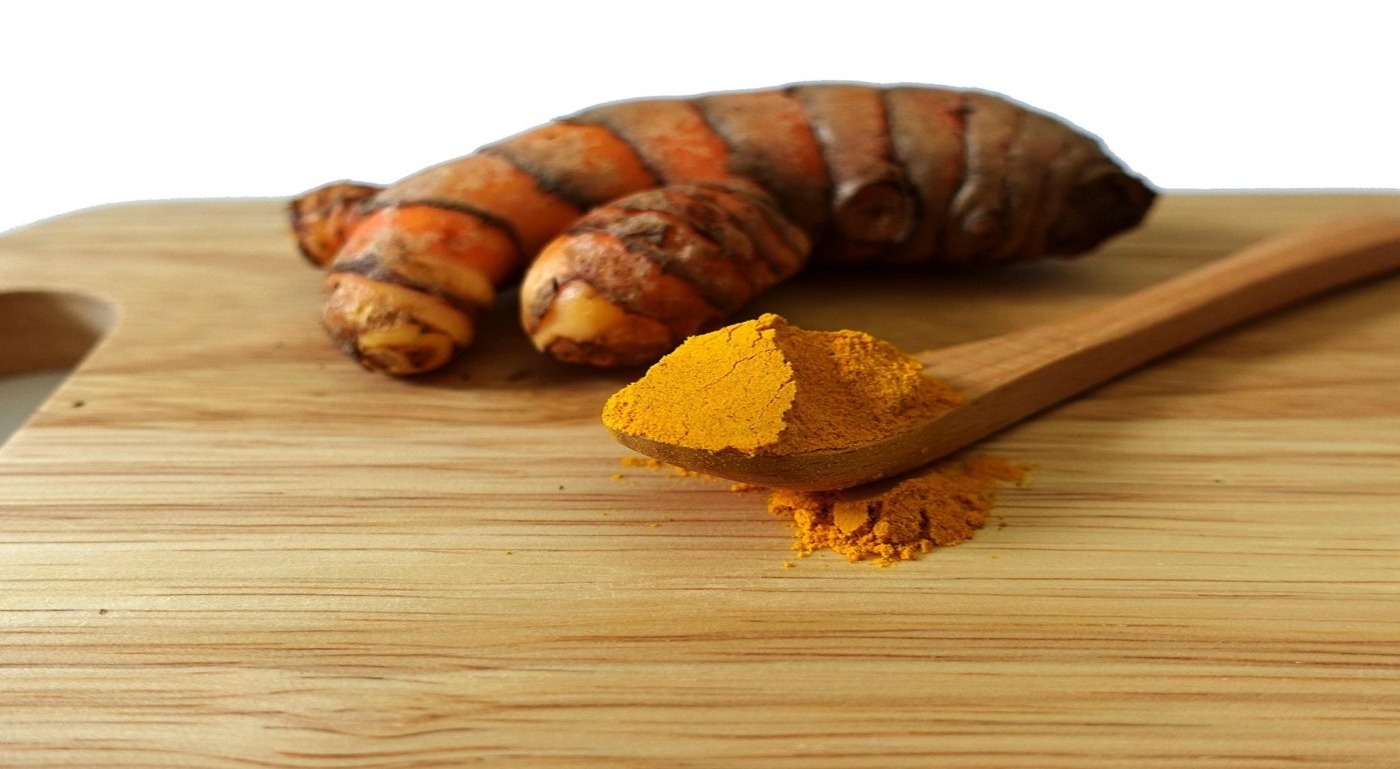
Curcumin is the superstar compound responsible for turmeric’s rich color and its profound potential health benefits. It is recognized as a powerful natural anti inflammatory compound, and its effects are vital as we age, directly addressing the challenges associated with Turmeric and Aging.
Chronic inflammation is a silent enemy in aging, often fueling conditions like arthritis and heart disease. For seniors dealing with stiffness and discomfort, turmeric offers a promising natural remedy.
The profound health benefits of curcumin extend beyond physical joints, reaching the two organs most critical to senior independence: the heart and the brain.
While the medicinal properties of turmeric are impressive, simply sprinkling the spice on your food won’t deliver the high doses studied in research. Curcumin is notoriously difficult for the body to absorb.
To truly unlock the “golden secret,” follow these simple strategies for better uptake:
Regarding the therapeutic benefits (like managing severe arthritis pain), the curcumin content in standard spice (2% to 9%) may not be enough. Turmeric supplements offer a concentrated dose, often containing up to 95% curcumin.
Understanding these interactions is a key part of informed choices about Turmeric and Aging:
Turmeric is a powerful, accessible ingredient that can be a meaningful part of a holistic approach to maintaining health, reducing inflammation, and enhancing quality of life as you age.
This information is for educational purposes only and should not be considered medical advice. Always consult with a healthcare professional for personalized guidance regarding your health, diet, and any medical conditions.
Harvard Health Publishing, Harvard Medical School (2024): “Turmeric benefits: A look at the evidence
Health Education Agriculture and Logistics (HEAL) Group, based in Nepal and registered as a 501(c)(3) nonprofit in the U.S., has been a catalyst for positive change since 2014. Focusing on health, education, agriculture, and logistics, we combine local insights with innovative solutions to serve underserved and marginalized communities.
Stay updated with our latest news and initiatives! Subscribe now to join our mission and make a difference.
Leave a Reply