


Heart Health and Peanuts: Discover how peanuts and peanut butter support seniors with cholesterol, inflammation, and cardiovascular wellness.
Are peanuts heart healthy? Research shows that both peanuts and peanut butter are heart healthy choices for older adults. Rich in healthy fats, protein, fiber, vitamin E, and magnesium, peanuts support cardiovascular wellness by lowering LDL cholesterol, reducing inflammation, and keeping blood vessels flexible. For seniors looking for simple nutrition tips, adding a small daily serving of peanuts or peanut butter can be a smart, affordable step.
Is peanut butter heart healthy too? Yes—when chosen in natural or unsalted forms, peanut butter is good for your heart and aligns with dietary guidelines that promote plant-based, nutrient-rich eating. This makes it an easy addition to meals or snacks, especially for those searching for “senior nutrition program near me” or practical ways to improve diet.
Imagine you’re in your golden years, enjoying a quiet morning walk, but a nagging worry about your heart creeps in. You’ve heard all the advice on veggies and fish, yet something simple like a handful of peanuts might just be the key to stronger cardiac wellness. Peanuts pack a punch for heart health in older adults, offering easy ways to boost your daily diet without big changes.
This article dives into the science behind peanuts’ benefits for cardiovascular support. We’ll look at their nutrients, real studies, and tips to add them to your routine. By the end, you’ll see why these affordable nuts deserve a spot in your heart-smart plan.
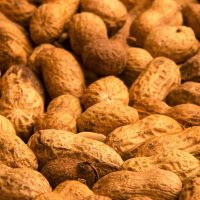
Peanuts stand out as a top choice for heart health due to their rich mix of good stuff. They help fight bad cholesterol and keep blood vessels flexible. Let’s break down what makes them so great for your ticker.
Key Nutrients in Peanuts Supporting Cardiovascular Health:
Peanuts shine with healthy fats, like monounsaturated and polyunsaturated types. These fats cut down on inflammation and help balance your cholesterol levels. A one-ounce serving gives you about 14 grams of fat, mostly the good kind that protects your heart.
They also load up on protein and fiber. Protein keeps you full, while fiber lowers LDL cholesterol, the stuff that clogs arteries. Vitamin E acts as an antioxidant to shield cells from damage, and magnesium relaxes blood vessels for better flow.
Folate in peanuts supports red blood cell health, which ties into overall circulation. Studies from places like the USDA show these nutrients work together to reduce heart risks. For older adults, this means less strain on the heart over time.
How Peanuts Align with Heart-Healthy Dietary Guidelines:
The American Heart Association loves nuts like peanuts for their role in plant-based eating. They fit right into the Mediterranean diet, which stresses whole foods to cut heart disease odds. Peanuts’ low glycemic index means they won’t spike your blood sugar, a big plus for seniors watching that.
Experts suggest aiming for nuts daily to lower LDL by up to 5-10% in some cases. For folks over 65, guidelines push for more fiber and healthy fats to fight hypertension. Peanuts deliver both, making them a smart swap for processed snacks.
You can use low salted versions to keep sodium low. This lines up with advice to eat 1.5 ounces of nuts a few times a week. It’s a simple step toward better vascular wellness.
Evidence from Studies on Peanuts and Cardiac Risk Factors:
Research backs peanuts for heart health in clear ways. The Nurses’ Health Study followed over 80,000 women and found those eating nuts five times a week had a 34% lower risk of heart issues. Men in the Health Professionals Follow-up Study saw similar gains, with peanut lovers cutting coronary risks.
A review in the New England Journal of Medicine linked nut intake to a 20% drop in cardiovascular death rates. For adults over 65, a study in the Journal of Nutrition showed regular peanut eaters had better blood pressure control. These findings come from long-term tracking, not quick tests.
No need for fancy diets—just consistent nibbles. Observational data from the Adventist Health Study also ties peanut butter to fewer heart events. It’s proof that small habits yield big rewards.
As we age, our hearts face more challenges, but peanuts offer targeted help. Their nutrients tackle issues head-on, making them ideal for seniors. You get protection without much effort.
Age-Related Heart Risks and Peanuts’ Protective Role:
Seniors often deal with high blood pressure and plaque buildup in arteries. Peanuts’ antioxidants fight oxidative stress, which speeds up these problems. Their magnesium helps ease vessel tension, lowering hypertension risks.
Atherosclerosis hits harder after 65, but fiber in peanuts sweeps out bad cholesterol. This keeps arteries clearer and hearts pumping strong. Plus, they’re cheap and easy to grab—no cooking needed.
For many older adults, nutrient gaps grow with age. Peanuts fill them, supporting steady energy and less fatigue. It’s like a daily shield for your cardiovascular system.
Peanuts as an Anti-Inflammatory Food for Aging Hearts:
Chronic swelling fuels heart trouble in later years. Resveratrol in peanuts, much like in red wine, calms this fire. It protects vessel walls and cuts inflammation markers by up to 20% in some research.
Other compounds, like niacin, join in to soothe the body. For seniors, this means fewer flare-ups that lead to attacks or strokes. Think of peanuts as a gentle balm for your inner workings.
You won’t find this power in many snacks. Regular bites could ease the toll of aging on your heart. It’s a tasty way to stay ahead.
Comparing Peanuts to Other Nuts for Senior Heart Support:
Peanuts match almonds and walnuts in healthy fats but win on price—often half the cost. All three lower cholesterol, but peanuts edge out with more folate for blood health. Walnuts pack omega-3s, yet peanuts’ protein helps with satiety on a budget.
Almonds offer vitamin E, similar to peanuts, but cost more per serving. For heart benefits in seniors, peanuts shine for easy access at any store. Their versatility beats tree nuts for quick meals.
If you’re pinching pennies, peanuts deliver equal vascular perks. No need to splurge—grab a jar and go. They stand tall among nut options.
Adding peanuts doesn’t require a cookbook overhaul. Start small, and watch your heart thank you. These ideas fit right into busy days.
Heart-Healthy Peanut Recipes and Snacks:
Try peanut butter on whole-grain toast for breakfast—use one tablespoon for 190 calories and fiber boost. It stabilizes blood sugar and supports cholesterol control. Add banana slices for extra potassium.
Roast a handful of unsalted peanuts for a snack; one ounce gives magnesium without salt overload. Mix with raisins for trail mix that fights oxidative stress. It’s ready in minutes.
For lunch, stir peanut butter into oatmeal. This combo aids vessel function and keeps you full. Each recipe ties back to stronger cardiac wellness.
Daily Intake Tips and Portion Control for Optimal Benefits:
Stick to 1-2 ounces a day—about a small handful—to gain perks without extra pounds. This amount delivers fats and fiber for heart support. Track it to stay in balance.
Pair peanuts with veggies or fruit to round out meals. If allergies worry you, test small bits first. For tummy issues, chew well or choose smooth butter.
Watch calories at 160 per ounce, so swap out chips. Hydrate too, as nuts can dry you out. These habits maximize benefits for seniors.
Integrating Peanuts with Exercise and Lifestyle Habits:
Snack on peanuts before a walk—they fuel muscles without crashes. This combo boosts stamina for light cardio, key for heart fitness. Try mid-morning for steady energy.
After yoga, a peanut portion aids recovery and vessel health. Schedule it: nuts at 10 a.m., stroll at 11. It builds a routine that strengthens your whole body.
Light activity plus peanuts cuts risks more than either alone. You’ll feel the lift in your steps. Make it a habit for lasting gains.
Worries about peanuts are common, but facts ease most fears. They’re safe for many seniors. Let’s clear the air.
Peanuts and Allergies: Safe Consumption for Most Seniors:
Allergies affect about 1% of adults, dropping in older groups. If you’ve eaten nuts fine before, you’re likely good. Start with a few pieces and wait.
Talk to your doctor if unsure, especially with new symptoms. Opt for plain peanuts over flavored to avoid extras. Most seniors enjoy them without issue.
Safe steps build confidence. It’s rare to develop allergies late, so breathe easy.
Debunking Myths on Peanuts, Weight Gain, and Heart Strain:
Peanuts don’t pack on pounds—they curb hunger with protein. Studies show nut eaters maintain weight better than skippers. Choose dry-roasted to dodge added oils.
They’re low in sodium naturally, unlike chips. No strain on the heart; their fats actually help it. Myths fade when you see the satiety effect.
Feel full longer, eat less overall. It’s a win for your figure and ticker.
When to Consult a Doctor Before Adding Peanuts:
Check with your doc if on blood thinners—vitamin K in peanuts might interact. Watch for belly upset if you’re new to high fiber. Personalized chat ensures fit.
Monitor blood pressure changes too. If meds include statins, nuts complement them fine. Safety first for smooth sailing.
Get advice tailored to you. It prevents hiccups in your heart plan.
Peanuts team up with heart health for older adults in powerful ways. Their fats, fiber, and antioxidants lower risks, backed by studies like the Nurses’ Health one. Easy snacks and recipes make them a go-to for seniors.
Key points: Nutrients fight inflammation and cholesterol. Start with 1 ounce daily, mix into meals, and pair with walks. Consult your doctor for custom fits.
Grab some peanuts today. They’re a fun, backed step to a healthier heart in your later years. Your body will notice the difference.
This information is for educational purposes only and should not be considered medical advice. Always consult with a healthcare professional for personalized guidance regarding your health, diet, and any medical conditions.
1.
Health Education Agriculture and Logistics (HEAL) Group, based in Nepal and registered as a 501(c)(3) nonprofit in the U.S., has been a catalyst for positive change since 2014. Focusing on health, education, agriculture, and logistics, we combine local insights with innovative solutions to serve underserved and marginalized communities.
Stay updated with our latest news and initiatives! Subscribe now to join our mission and make a difference.
Leave a Reply