


Ginger Can Ease Joint Pain naturally by reducing inflammation and stiffness, helping seniors move freely and live more comfortably every day.
Ginger Can Ease Joint Pain naturally by reducing inflammation and improving mobility in older adults. Scientific studies show that compounds like gingerols and shogaols target inflammatory pathways that cause stiffness and swelling in arthritis and knee pain. Many seniors wonder, “Can ginger help joint pain or cure arthritis pain?” Evidence suggests that while ginger may not cure arthritis, it can significantly reduce pain and improve daily function when used consistently. Whether taken as tea, in meals, or as supplements, ginger provides gentle, long-term relief without harsh side effects. Discover how ginger and joint pain management can work together for better comfort, flexibility, and active living.
Joint pain can turn even simple tasks into daily struggles — climbing stairs, holding a cup, or taking a morning walk. For many older adults, these aches come from arthritis or worn-out joints. That’s why so many people are now asking, “Is ginger good for joint pain?” and “Can ginger help arthritis pain or knee pain?”
The answer lies in nature’s healing power. Ginger and pain relief have gone hand in hand for centuries. Modern research confirms what traditional healers long believed: ginger can reduce joint pain by calming inflammation deep within the body. Rich in active compounds, it helps block signals that trigger swelling and stiffness — offering a natural, gentle alternative to pain medications.
If you’ve ever wondered “Can ginger cure knee pain?” or “Can ginger cause joint pain?”, this guide explores what science says, how to use ginger safely, and why it’s becoming a trusted ally for seniors seeking comfort and better joint health.
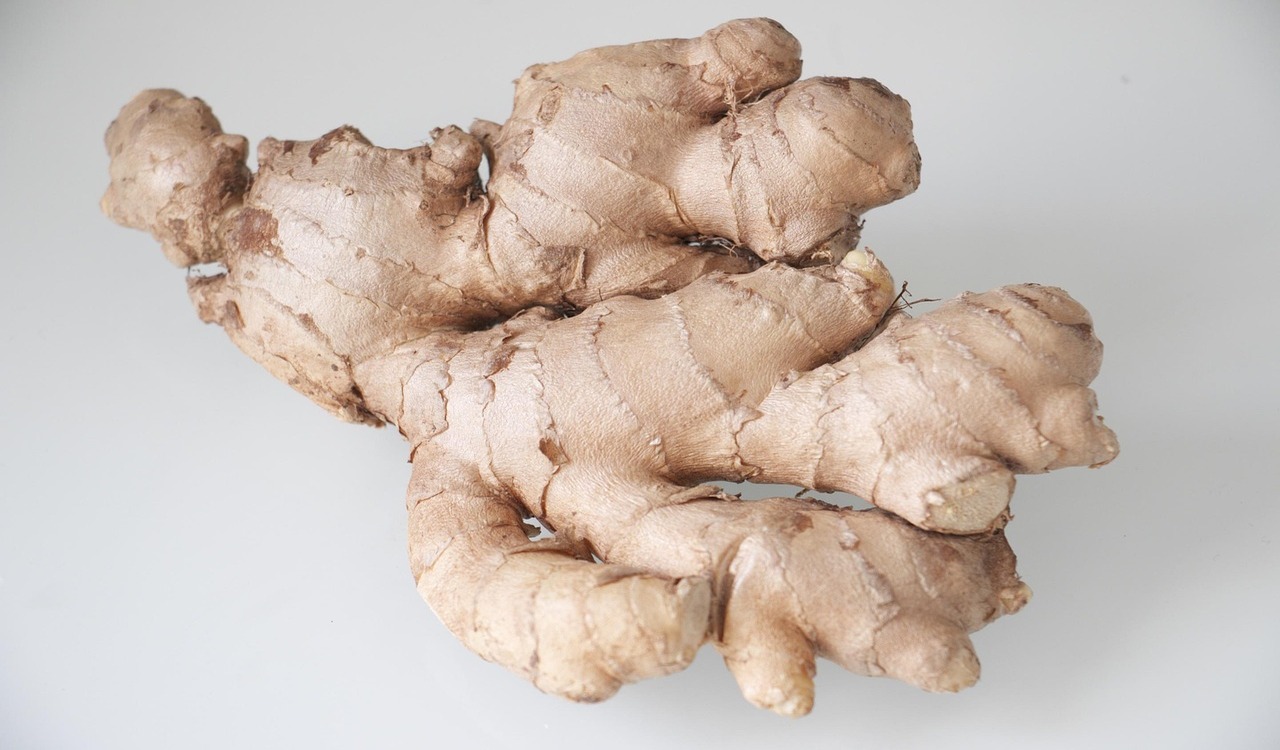
Theory matters, but real life calls for easy steps. You can weave ginger into your day without big changes. Start small for steady relief.
Older adults often face picky eating or meds. Ginger fits most diets and tastes mild when added right. Choose forms that suit your routine.
Optimal Dosage and Forms for Efficacy:
Aim for 1 to 3 grams of dried ginger daily, based on trials. That’s about one teaspoon of powder or two fresh inches. Capsules with standardized extracts give precise doses, around 250 mg per pill.
Fresh ginger shines for flavor but needs peeling and grating. Powdered form mixes easy but can clump. Extracts absorb fast, ideal if you swallow pills well.
Drawbacks? Fresh might upset sensitive stomachs. Capsules cost more but last longer. Pick based on your comfort—start low to test tolerance.
Culinary Integration: Cooking with Fresh and Dried Ginger:
Add fresh ginger to your morning oatmeal. Grate half an inch into the pot for a warm kick that fights inflammation. It pairs with cinnamon and fruit for a tasty start.
Steep sliced ginger in hot water for tea. Add honey if needed; sip twice a day to soothe joints. For lunch, stir powdered ginger into soups or stews—half a teaspoon boosts flavor without effort.
Try ginger in smoothies. Blend a knob with banana and yogurt. These methods keep prep simple for busy seniors.
Utilizing Topical Ginger Preparations:
Rub ginger oil on sore knees for quick local relief. Mix fresh grated ginger with coconut oil; warm and apply for 20 minutes. It penetrates skin to calm swelling.
Creams with ginger extract work too. Look for ones with 1-2% concentration. They ease hand pain from daily tasks.
Combine with capsaicin for heat or turmeric for extra anti-inflammatory boost. Test a patch first to avoid skin irritation. Many report less ache after a week of use.
Ginger shines for ongoing joint issues, not quick fixes. Use it daily for arthritis that lingers. For sudden flares, pair it with rest.
Understand its pace. It builds up in your system for lasting calm. This fits chronic needs in older adults.
Consistency: The Key to Unlocking Long-Term Relief:
Stick with ginger every day for best results. Trials show benefits after four to 12 weeks, unlike NSAIDs that act fast but wear off. Your body needs time to adjust.
Compare it to watering a plant—regular drops lead to growth, not a flood. Miss days, and progress slows. Track your pain in a journal to see changes.
For chronic arthritis, aim for morning and evening doses. This steady input keeps inflammation low.
Ginger for Morning Stiffness Relief:
Morning stiffness plagues many with joint pain. Ginger cuts this by 30% in studies, easing your start. Drink ginger tea upon waking to loosen up.
Users note less creak in hips and knees after consistent use. It targets the overnight buildup of cytokines. Pair with light stretches for full effect.
One senior shared how daily ginger ended her stiff mornings, letting her garden again.
Precautions and Contraindications for Seniors:
Talk to your doctor before starting ginger. It thins blood mildly, so watch with warfarin or aspirin. High doses might raise bleeding risk.
Gallstone issues? Skip high amounts, as it boosts bile flow. Pregnant? Not for you here, but seniors rarely face that.
Common side effects include heartburn at over 4 grams. Start slow. If on diabetes meds, monitor sugar—ginger can lower it.
Ginger alone helps, but it thrives in a full plan. Use it with diet, exercise, and care for top results. This approach keeps you moving strong.
See it as a team player in your wellness game. It reduces pain so you tackle other habits.
Pairing Ginger with Other Proven Anti-Inflammatories:
Team ginger with omega-3s from fish oil. This duo slashes cytokines more than alone. Take 1 gram omega-3 daily alongside your ginger.
Curcumin from turmeric adds synergy. Studies show the pair eases knee pain by 50%. Brew a tea with both for easy intake.
Green tea’s antioxidants fit too. These combos amplify relief without overload.
The Role of Movement and Ginger Synergy:
Less pain means more activity. Ginger’s calm lets you swim or walk short distances. These moves build joint strength and cut future aches.
Start with 10-minute walks after dosing. Inflammation drops, so motion feels smoother. Over time, this loop boosts mobility.
Seniors report better balance and fewer falls with this mix.
Lifestyle Adjustments Supported by Reduced Pain Burden:
Eased joints free you for hobbies. Garden, play with grandkids, or shop without wincing. Independence grows with less discomfort.
Sleep improves too—less tossing from pain. Eat anti-inflammatory foods like berries to support ginger. Small wins add up to big freedom.
Track how pain dips open doors to joy.
This information is for educational purposes only and should not be considered medical advice. Always consult with a healthcare professional for personalized guidance regarding your health, diet, and any medical conditions.
Health Education Agriculture and Logistics (HEAL) Group, based in Nepal and registered as a 501(c)(3) nonprofit in the U.S., has been a catalyst for positive change since 2014. Focusing on health, education, agriculture, and logistics, we combine local insights with innovative solutions to serve underserved and marginalized communities.
Stay updated with our latest news and initiatives! Subscribe now to join our mission and make a difference.
Leave a Reply