


Aging in Nepal is reshaping society. Explore challenges, policies, and solutions for elderly care, including daycare centers, legal gaps, and community support
Aging is a natural process that brings unique challenges and opportunities. As life expectancy increases and demographic shifts occur, societies must adapt to meet the needs of their aging populations. In Nepal, working with the elderly is becoming an urgent social issue, requiring both policy attention and community action. Understanding the dynamics of aging in Nepal and its broader implications is essential for developing effective interventions and support systems.
Nepal is experiencing a demographic transition with an increasing number of older people. Traditionally, joint family structures provided care and support for seniors, but modernization, migration, and changing socio-economic conditions are transforming these dynamics. Working with elderly people in Nepal requires addressing issues such as healthcare access, social isolation, financial insecurity, and the need for age-friendly environments. The shift from family-based care to institutional and community-based solutions highlights the growing importance of structured support for seniors.
The elderly population in Nepal faces multiple challenges, including inadequate healthcare, limited social security, and a lack of specialized services. Working with older people in both urban and rural settings involves creating sustainable solutions that ensure dignity, independence, and social inclusion. Organizations, policymakers, and community members must collaborate to improve the quality of life for seniors through targeted interventions and support programs.
Globally, aging populations are reshaping economies, healthcare systems, and social structures. Countries with aging populations have adopted policies that promote active aging, financial security, and integrated healthcare services. Working with seniors in these settings has demonstrated the benefits of proactive measures, such as lifelong learning programs, social engagement initiatives, and home-based care models.
In Nepal, addressing aging-related challenges is critical due to the rapid urbanization and migration of younger generations. Working with aging in Nepal requires a multidimensional approach that includes healthcare reforms, pension schemes, and social inclusion programs. By learning from global best practices and adapting them to the local context, Nepal can build a more supportive environment for its aging population.
Ultimately, working with the elderly should not only focus on addressing challenges but also on recognizing their contributions to society. Seniors possess wisdom, experience, and skills that can be harnessed to enrich communities. Developing intergenerational programs, promoting volunteerism, and ensuring access to healthcare and social services will help create an inclusive and age-friendly Nepal.
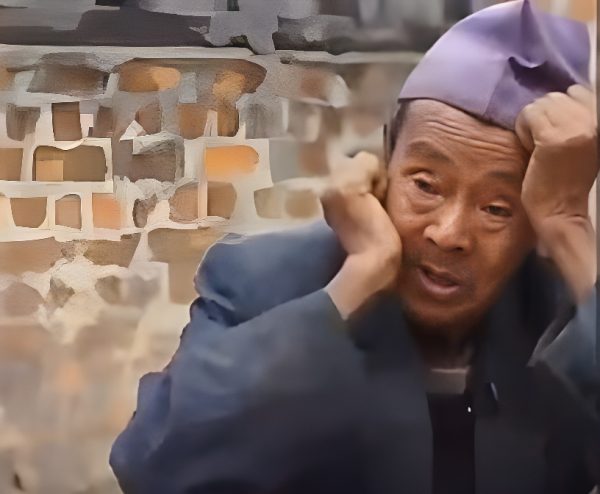
Nepal is undergoing a significant demographic shift characterized by an increasing elderly population. According to the 2021 Population Census, individuals aged 60 years or above constitute 10.21% of the total population, a rise from 8.13% in 2011. individuals (60 years and above) reached approximately 2.97 million in 2021, marking a 2.07% increase from 2011.
This demographic shift is accompanied by a decline in the proportion of children aged 14 years or below, which decreased from 34.91% in 2011 to 27.83% in 2021.
Furthermore, over 85% of elderly individuals in Nepal reside in rural areas, which often lack adequate healthcare services.
These trends highlight the growing need for comprehensive policies and support systems to address the challenges associated with an aging population in Nepal.
Nepal has experienced a notable increase in life expectancy over recent decades, reflecting advancements in healthcare, nutrition, and overall living conditions. Between 1990 and 2019, life expectancy for both sexes combined rose by 12.7 years, with males experiencing an increase of 11.5 years and females 13.9 years.
This upward trend continued, with life expectancy at birth reaching 70.35 years in 2023, up from 70.09 years in 2022. The increase is more pronounced among females, who had an average life expectancy of 73.8 years in 2021, compared to 68.2 years for males.
However, the COVID-19 pandemic significantly impacted these gains, reducing the average life expectancy in Nepal by nearly three years between 2019 and 2021. Despite this setback, the overall trend suggests a steady improvement in longevity over the past decades.
The increase in life expectancy has led to a growing elderly population, necessitating enhanced healthcare services, social support systems, and policies tailored to the needs of older individuals. Addressing these challenges is essential to ensure that the aging population can lead healthy and fulfilling lives.
An aging society presents several social, economic, and healthcare-related challenges. As the number of seniors grows, there is an increasing demand for elderly-friendly infrastructure, medical services, and social protection measures. Working with seniors in Nepal requires tackling issues such as:
Addressing these challenges requires a multi-sectoral approach, involving government policies, community engagement, and innovative solutions that prioritize the well-being of seniors. Working with elderly people in Nepal must focus on promoting active aging, ensuring access to essential services, and fostering a society that values and supports its older population.
3.1 Common Health Issues Among the Aging Population
Older people often experience a range of health issues, including chronic diseases such as hypertension, diabetes, arthritis, and cardiovascular conditions. Additionally, age-related conditions such as osteoporosis, vision and hearing loss, and cognitive decline significantly impact their daily lives. Working with elderly people in Nepal requires tailored healthcare interventions that focus on prevention, early diagnosis, and effective management of these conditions.
Access to geriatric care, rehabilitation services, and palliative care is limited in Nepal, making it essential to develop programs that prioritize elderly healthcare needs. Regular health screenings, vaccinations, and lifestyle modifications can help mitigate the risks associated with aging.
3.2 Accessibility to Healthcare and Geriatric Services
One of the significant barriers to senior well-being is limited access to healthcare services. Many elderly individuals, particularly in rural areas, struggle to receive timely medical attention due to financial constraints, lack of transportation, and insufficient geriatric healthcare facilities. Working with older people requires enhancing healthcare accessibility through mobile clinics, telemedicine services, and government-supported health programs.
Improving geriatric services involves training healthcare professionals in elderly care, expanding insurance coverage for seniors, and establishing specialized geriatric units in hospitals. Strengthening community-based healthcare programs can also provide essential support for aging individuals who may not have family caregivers.
3.3 Mental Health Challenges in Aging
Mental health is a crucial but often overlooked aspect of elderly well-being. Depression, anxiety, and cognitive disorders such as dementia and Alzheimer’s disease are common among seniors. Social isolation, grief, and a loss of independence further contribute to mental health issues in aging populations.
Working with seniors in Nepal should include promoting mental well-being through social engagement programs, counseling services, and awareness campaigns. Encouraging intergenerational activities, volunteer opportunities, and community participation can significantly improve the mental health of elderly individuals and reduce feelings of loneliness and neglect.
Historically, Nepalese society has been characterized by joint family systems, where multiple generations lived together under one roof. These systems provided a strong support network for the elderly, ensuring that they were cared for by their children and extended family members. However, rapid urbanization, economic pressures, and changing cultural values have led to a decline in this traditional setup. Younger generations are increasingly moving to cities or abroad for better opportunities, leaving elderly family members without the support they once had.
Aging individuals in both urban and rural areas face unique challenges. In urban centers, elderly people often experience isolation, as younger family members are engaged in demanding jobs. The high cost of living and inadequate social services further add to their difficulties. In rural areas, limited access to healthcare, transportation, and basic facilities makes aging even more challenging. The lack of financial independence exacerbates their struggles, pushing many into poverty and neglect.
Community-based support systems play a crucial role in bridging the gap left by the decline of joint families. Local organizations, self-help groups, and volunteer networks can provide social engagement, healthcare access, and financial aid to the elderly. Strengthening community bonds and encouraging intergenerational interactions can significantly improve the quality of life for aging individuals.
Nepal has introduced various laws and policies aimed at protecting the rights of the elderly, including the Senior Citizens Act (2006) and provisions in the constitution that mandate state support for senior citizens. However, despite these legal frameworks, enforcement remains weak, and many elderly people continue to struggle without adequate support.
The gap between policy and implementation is a significant challenge. There is a need for better monitoring and accountability mechanisms to ensure that elderly-friendly policies are effectively executed. Additionally, increased budget allocations and better coordination among government agencies can enhance the reach and impact of these policies.
Countries with well-established elderly care systems, such as Japan and Scandinavian nations, offer valuable lessons. Policies such as universal pension schemes, integrated healthcare for the elderly, and community-based living models can be adapted to Nepal’s context. Collaborating with international organizations can help Nepal develop a more robust aging support system.
Daycare centers can offer a range of services, including physical therapy, counseling, recreational activities, and nutritious meals. By providing a safe and engaging space, these centers can improve the mental and physical well-being of the elderly, reducing stress for both them and their families.
Several initiatives in Nepal and other countries have demonstrated the positive impact of old-age daycare centers. For example, community-based elderly centers in India have significantly improved the quality of life for participants by fostering social inclusion and providing healthcare services. Similar models can be replicated in Nepal to address the growing needs of the aging population.
The Nepalese government must strengthen its commitment to elderly welfare by introducing targeted policies such as subsidized healthcare, pension reforms, and community-based elderly programs. Expanding social security schemes and ensuring regular monitoring of elderly care facilities can bring about meaningful change.
Non-governmental organizations (NGOs) and the private sector can complement government efforts by setting up more daycare centers, assisted living facilities, and vocational training programs for the elderly. Encouraging corporate social responsibility (CSR) initiatives focused on elderly care can mobilize additional resources for sustainable solutions.
Promoting awareness about elderly rights and fostering a culture of respect towards aging individuals is essential. Schools, media, and community organizations can play a key role in educating younger generations about the importance of elderly care and intergenerational solidarity.
Aging is a natural process, but without adequate support systems, the elderly in Nepal face significant hardships. Strengthening family structures, improving policy implementation, and enhancing community involvement can collectively create a more dignified aging experience.
A comprehensive approach involving government action, community support, and private sector involvement is necessary to address the challenges of aging in Nepal. Investing in elderly-friendly infrastructure, strengthening social security, and promoting intergenerational collaboration can ensure a better future for the aging population.
Health Education Agriculture and Logistics (HEAL) Group, based in Nepal and registered as a 501(c)(3) nonprofit in the U.S., has been a catalyst for positive change since 2014. Focusing on health, education, agriculture, and logistics, we combine local insights with innovative solutions to serve underserved and marginalized communities.
Stay updated with our latest news and initiatives! Subscribe now to join our mission and make a difference.
Leave a Reply