


Simple ways to Keep Your Heart Healthy! Learn how carrots lower cholesterol and blood pressure offering powerful beta carotene and antioxidant support for seniors
To Keep Your Heart Healthy, look no further than the simple carrot. This vegetable provides significant cardiovascular support for seniors through a powerful combination of nutrients. The fiber in carrots effectively answers the question, do carrots lower cholesterol, by binding to and eliminating “bad” LDL. Furthermore, they are among the potassium rich foods in reducing blood pressure, helping blood vessels relax. Carrots are one of the best foods to reduce oxidative stress and reduce inflammation in blood vessels due to their high concentration of beta carotene for heart health. Studies confirm the direct link between carrot and cardiovascular disease risk reduction, making a half cup daily serving an easy, evidence based step toward better health.
Want a simple, delicious way to protect your heart as you age? Look no further than the humble carrot. Discover how to better heart health with this vibrant vegetable.
As we age, the goal to Keep Your Heart Healthy in tip top shape becomes one of our biggest priorities. The good news is that nature provides easy ways to support cardiovascular health and one of the most vibrant examples is this crunchy, orange powerhouse. Carrots are much more than just a side dish. They’re packed with a trio of nutrients: fiber, potassium, and antioxidants that work hard to lower cholesterol, keep blood pressure in check, and protect your precious blood vessels.
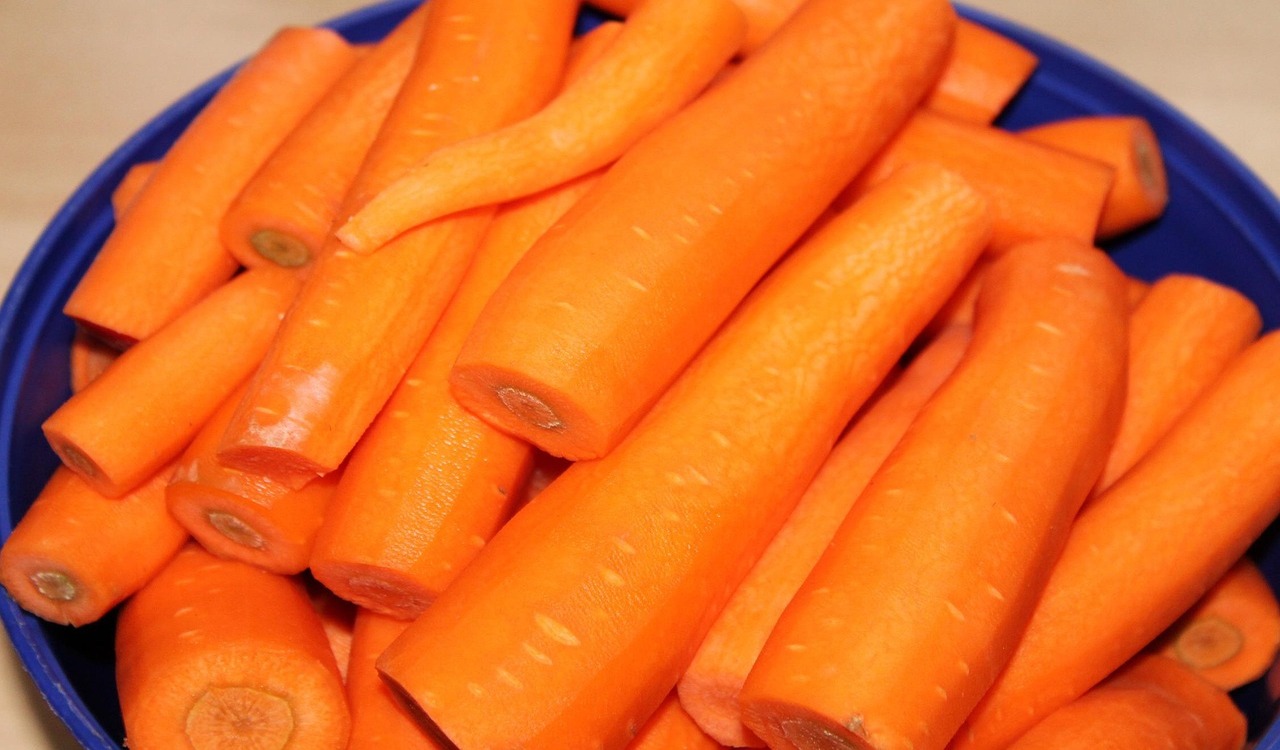
What makes carrots such a potent ally for senior heart health? It comes down to their incredible nutritional profile:
a. The Power of Antioxidants (Especially Beta Carotene)
Carrots are bursting with antioxidants, particularly a pigment called beta carotene. Beta carotene for heart health is significant because your body converts this pigment into Vitamin A, and both are part of a larger group called carotenoids (named after the carrot, of course!).
b. Soluble Fiber for Cholesterol Control
You’ve heard of fiber, but the soluble fiber in carrots is a special type. This is how you answer the question, do carrots lower cholesterol?
c. Potassium for Regulating Blood Pressure
Carrots are also a wonderful source of potassium, a key mineral essential for a healthy heart. For those looking for potassium rich foods in reducing blood pressure, carrots are an excellent choice.
The best part? These nutrients are available whether you enjoy carrots raw, cooked, or as juice. Here are a few easy, delicious ways for seniors to incorporate more of this powerful vegetable to keep your heart healthy:
While carrots are fantastic, the best way to get all your heart healthy nutrients is through whole foods, not supplements. The complex mix of compounds in a whole carrot works together synergistically. As always, before making any significant changes to your diet, especially if you have existing health concerns, it’s wise to consult your healthcare provider.
This information is for educational purposes only and should not be considered medical advice. Always consult with a healthcare professional for personalized guidance regarding your health, diet, and any medical conditions.
Health Education Agriculture and Logistics (HEAL) Group, based in Nepal and registered as a 501(c)(3) nonprofit in the U.S., has been a catalyst for positive change since 2014. Focusing on health, education, agriculture, and logistics, we combine local insights with innovative solutions to serve underserved and marginalized communities.
Stay updated with our latest news and initiatives! Subscribe now to join our mission and make a difference.
Leave a Reply