

Discover the Top Iron-Rich Foods for seniors to boost energy, prevent anemia, and support heart health. Learn how to enhance iron absorption naturally
Iron is a crucial mineral that helps transport oxygen throughout the body, supports energy levels, and maintains immune function. However, as we age, iron deficiency can become more common due to factors like poor absorption, chronic illnesses, and dietary changes. Recognizing the signs of iron deficiency and incorporating iron-rich foods into your diet can help maintain overall health and vitality.
Iron plays a key role in preventing anemia, a condition where the body lacks enough healthy red blood cells to carry oxygen. For seniors, low iron levels can lead to fatigue, cognitive decline, and an increased risk of infections. Additionally, liver disease anemia symptoms are common in aging individuals, as liver dysfunction can impair iron metabolism.
Older adults must be mindful of their iron intake because iron deficiency can affect more than just energy levels—it can impact heart health, brain function, and even oral and eye health.
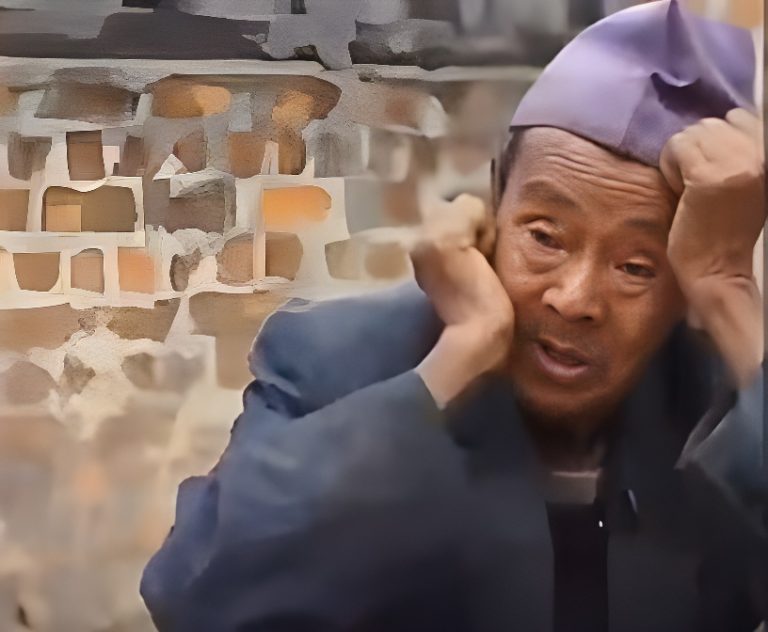
Iron deficiency can present in many ways, often in places you wouldn’t expect. Some warning signs include:
If you’re breastfeeding, iron demands are even higher. Symptoms of anemia in breastfeeding mothers include excessive tiredness, pale skin, and dizziness, which can affect both the mother and the baby’s health.
Over time, iron deficiency can contribute to severe health issues, including:
Eating a balanced diet with iron-rich foods can help prevent deficiency. Here are some of the best sources:
– Animal-Based (Heme Iron – More Easily Absorbed)
– Lean red meat (beef, lamb, goat)
– Poultry (chicken, turkey, duck)
– Seafood (salmon, tuna, clams)
– Eggs
– Liver
Iron plays a vital role in aging well. From preventing anemia and maintaining energy levels to supporting cognitive function and heart health, ensuring adequate iron intake is essential. If you’re experiencing symptoms like fatigue, pale skin, or mouth sores, consider reviewing your diet or consulting a doctor for iron testing.
Incorporating iron-rich foods, enhancing absorption naturally, and being mindful of supplementation can help seniors stay strong, healthy, and active.
Health Education Agriculture and Logistics (HEAL) Group, based in Nepal and registered as a 501(c)(3) nonprofit in the U.S., has been a catalyst for positive change since 2014. Focusing on health, education, agriculture, and logistics, we combine local insights with innovative solutions to serve underserved and marginalized communities.
Stay updated with our latest news and initiatives! Subscribe now to join our mission and make a difference.
Leave a Reply