



Discover easy to eat meals for seniors with no teeth—nutritious, soft foods that support health, comfort, and independence every day.
Tooth loss is a prevalent issue among older adults, with significant implications for nutrition and overall health (Zelig, et al, (2020)). As the ability to chew diminishes, seniors often face challenges in maintaining a balanced diet, leading to potential malnutrition and associated health risks.
The Link Between Tooth Loss and Nutritional Deficiencies
Research indicates that older adults with missing teeth are at a heightened risk of malnutrition compared to those with a full set of teeth. A systematic review by Zelig et al. (2020) highlighted that tooth loss adversely affects dietary intake, leading to deficiencies in essential nutrients.
Similarly, a study by Chan, et al, (2023) emphasized the bidirectional relationship between diet and oral health, noting that poor oral conditions can impair nutritional intake, which in turn exacerbates oral diseases
Importance of Easy-to-Eat Foods
Incorporating easy-to-eat foods into the diets of seniors with no teeth is crucial. Such foods should be soft, nutrient-dense, and require minimal chewing. Examples include scrambled eggs, mashed potatoes, pureed vegetables, and smoothies. These options ensure that seniors receive adequate nutrition without the discomfort associated with harder-to-chew foods. The Geriatric Dietitian provides a comprehensive list of 21 meals suitable for elderly individuals without teeth, emphasizing the importance of texture-modified diets to maintain nutritional adequacy (Aly Bouzek, Geriatric Dietitian, 2023)
Addressing the dietary needs of seniors with tooth loss is essential for preventing malnutrition and promoting overall health. By focusing on easy-to-eat, nutrient-rich foods, caregivers and healthcare providers can help older adults maintain a balanced diet, ensuring their well-being and quality of life.
Tooth loss is a common issue among older adults, significantly impacting their nutritional intake and overall health. As chewing becomes more difficult, seniors may avoid certain nutrient-rich foods, putting them at greater risk for malnutrition and related conditions.
The Impact of Tooth Loss on Nutrition
Research shows that older adults without teeth are more likely to suffer from malnutrition than those with functional teeth. A systematic review and meta-analysis found that complete or partial tooth loss is associated with a 21% greater risk of being malnourished or at risk for malnutrition (Zelig et al., 2020).
Similarly, Chan et al. (2023) shows that diet and nutrition are related to oral diseases, including dental caries, periodontal diseases, tooth wear, and even oral cancer.
Key Nutrients to Prioritize
Toothless seniors need soft, easy-to-chew foods that still deliver key nutrients. Priorities include:
Practical Guidance
Websites like The Geriatric Dietitian offer comprehensive guides on soft-texture meal planning, including 21 meal ideas tailored for seniors who cannot chew well (The Geriatric Dietitian, 2023). These resources recommend combining taste, nutrition, and ease of swallowing to support seniors’ dietary well-being.
For seniors with no teeth or limited chewing ability, preparing meals that are both nutritious and easy to eat is essential for maintaining health and quality of life. Texture-modified diets—those that are soft, minced, or pureed—can help ensure adequate nutrient intake without causing discomfort or increasing the risk of choking (Cichero, 2013).
Start with Soft, Moist Ingredients: When planning meals, begin with foods that are naturally soft or that can be made soft by cooking, such as root vegetables, fruits like bananas or peaches, legumes, and eggs. Moisture is key; dry foods can be hard to swallow and unappetizing (The Geriatric Dietitian, 2023).
Cook Until Tender: Steaming, boiling, slow cooking, or baking are preferred methods to soften food. For instance, lentils, sweet potatoes, and apples can be cooked until they easily mash with a fork. Using broth or milk during cooking also helps keep food moist (Chefs for Seniors, n.d.).
Puree or Mash When Needed: A food processor, blender, or hand masher can turn almost any meal into a smooth, easy-to-swallow consistency. Add extra liquid as needed to maintain a palatable texture. Thickening agents like instant potato flakes or commercial thickeners can improve consistency without compromising nutrition (Cichero, 2013).
Prioritize Food Safety: Seniors are more susceptible to foodborne illnesses. Ensure that all meals are cooked to safe internal temperatures, and store leftovers appropriately. Avoid raw eggs, undercooked meats, or unpasteurized dairy (USDA, 2021).
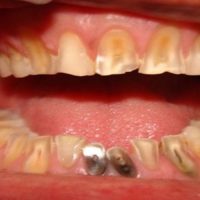
Tooth loss among older adults often leads to reduced food enjoyment and a higher risk of choking or malnutrition. Making mealtime both enjoyable and safe is essential not just for nutrition but also for emotional well-being and dignity.
Enhance Food Appeal Through Flavor and Variety
While texture needs to be soft, the flavor does not need to be bland. Using herbs, low-sodium spices, and flavor-enhancing ingredients like lemon juice or garlic can make meals more enjoyable. Studies show that older adults with chewing difficulties report better food satisfaction when meals are flavorful and varied (Kyung Hee Lee, JinA Mo 2019).
Prioritize Comfortable Dining Environments
A pleasant setting—such as eating with others or playing soft music—can stimulate appetite and encourage better food intake. Shared meals also help reduce isolation and increase meal satisfaction (Amarantos, Martinez & Dwyer, 2001). Avoid distractions like television or phones that can reduce focus on eating safely.
Ensure Proper Positioning and Posture
For safety, seniors should sit upright at a 90-degree angle during meals.
This posture helps prevent choking and aspiration, which are serious concerns in those with compromised chewing and swallowing abilities (Cichero, 2013).
Offer Familiar and Favorite Foods in Modified Forms
Recreating culturally or personally significant dishes in soft or blended formats can encourage eating and emotional comfort. Emotional connections to food play a role in stimulating appetite and improving mealtime engagement (Wikby & Fagerskiöld, 2004).
Watch for Signs of Discomfort or Dysphagia
Choking, coughing during meals, or refusal to eat can indicate swallowing problems. Caregivers and family should monitor closely and consult with a speech-language pathologist if needed to assess swallowing safety (Cichero, 2013).
For seniors living without teeth, eating should never be a struggle—it should remain a nourishing, enjoyable part of daily life. The right approach focuses on easy to eat meals that are both comforting and full of essential nutrients. Whether you’re planning meals for elderly with no teeth or cooking easy recipes for elderly with no teeth, the priority is to make food that’s soft in texture, rich in nutrients, and satisfying to the senses.
So, what should an elderly person with no teeth eat? The answer lies in simple, wholesome options like pureed soups, mashed vegetables, soft scrambled eggs, yogurt, puddings, smoothies, and stewed fruits. These easy to eat foods with no teeth offer flavor and variety without requiring chewing strength. Families and caregivers can help by offering meals for no teeth that meet nutritional needs and bring joy to the table.
There are many easy meals for no teeth that can be made at home with just a few ingredients—think lentil stew, vegetable mash, or banana oatmeal. These are not only healthy meals for no teeth but also easy to digest and full of energy. By using easy food for no teeth, you help seniors maintain dignity, independence, and good health.
Ultimately, preparing meals for seniors with no teeth is about more than just texture—it’s about crafting experiences that are comforting, delicious, and sustaining. Every soft bite should support vitality and quality of life. Because when meals are easy to eat, they are also easier to enjoy—and that makes every meal a celebration.
Health Education Agriculture and Logistics (HEAL) Group, based in Nepal and registered as a 501(c)(3) nonprofit in the U.S., has been a catalyst for positive change since 2014. Focusing on health, education, agriculture, and logistics, we combine local insights with innovative solutions to serve underserved and marginalized communities.
Stay updated with our latest news and initiatives! Subscribe now to join our mission and make a difference.
Leave a Reply