

Eat your way to a stronger mind. Discover the flavonoid benefits for healthy aging and physical resilience starting today.
The quest for a longer, healthier life doesn’t require complex medication; it might just require a few more colorful foods. This summary reveals that boosting your intake of flavonoids, the powerful compounds that give plants their vibrant colors, is a practical and proven strategy to achieve Flavonoid Benefits For Healthy Aging.
New research highlights that consistently eating flavonoid rich foods to improve mental health and physical resilience can significantly reduce the risks of frailty, physical impairment, and depression in seniors.
For many older adults, the goal isn’t just to live longer, but to ensure those extra years are spent in good health; sharp, strong, and resilient. New research suggests that achieving this Flavonoid Benefits For Healthy Aging goal might be as simple as adding more color to your plate.
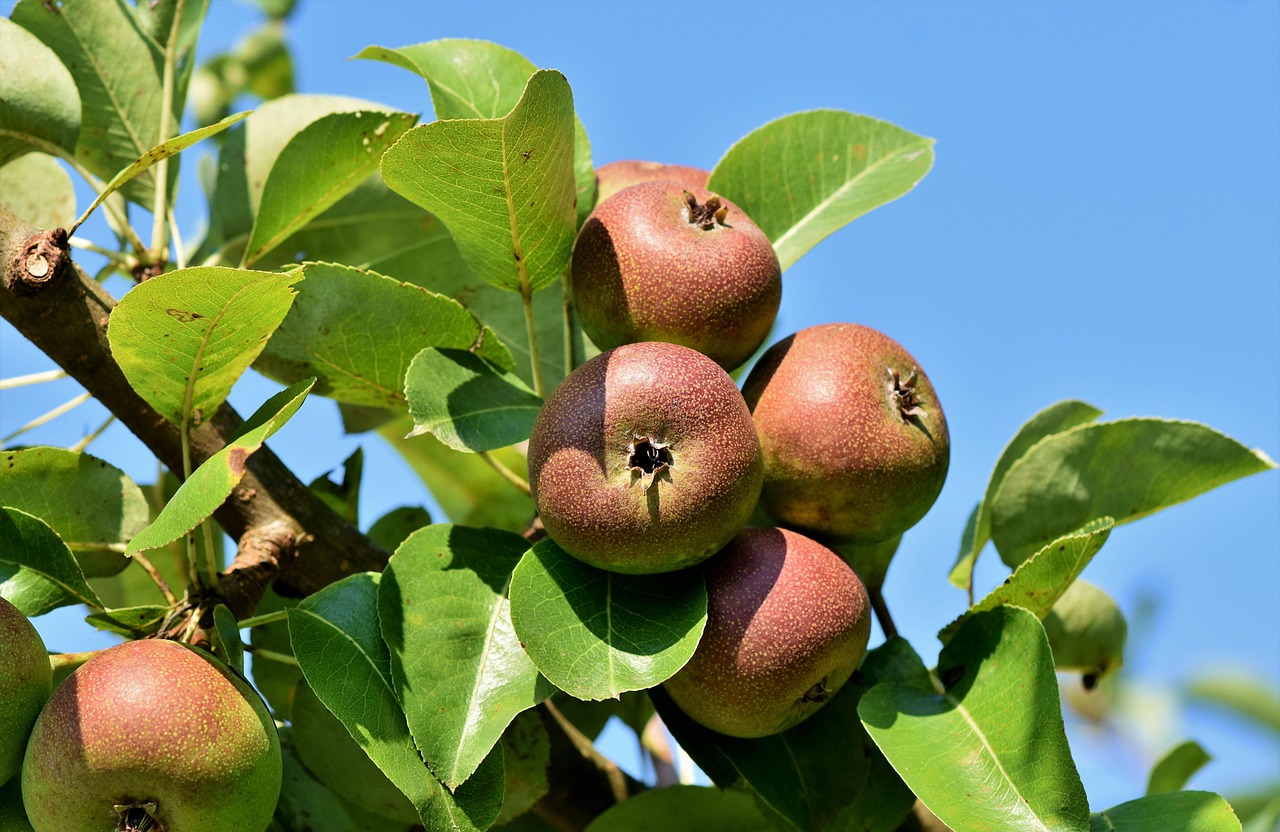
The ability of grapes to support the aging brain is not folklore; it’s rooted in the potent compounds they contain. Grapes, and products like pure grape juice, are rich in polyphenols, making them essential brain-boosting foods for seniors. The mechanisms behind the unexpected power of grapes involve three key improvements:
Researchers assessed the association between flavonoid intake and aging outcomes, focusing on participants aged 60 and above. The study specifically tracked the consumption of flavonoid rich foods to improve mental health and physical resilience.
A recent study published in The American Journal of Clinical Nutrition highlights the crucial role of flavonoids, a group of potent compounds found in vibrant plant foods, in preventing the physical and mental decline associated with age. The study revealed a strong link between habitually high flavonoid intake and reduced risks of frailty, physical impairment, and poor mental health.
The findings offer a practical, achievable dietary strategy for a longer, healthier lifespan.
Furthermore, the research identified seven key flavonoids sources in foods: tea, apples, oranges, blueberries, strawberries, grapefruit, and red wine.
Important Note on Intake: While there is no official flavonoids recommended daily intake, the study emphasized that actively maintaining or increasing consumption over time is crucial for
Flavonoids are categorized into six main subgroups. Prioritizing a variety ensures you get a full spectrum of benefits:
You don’t need a radical diet overhaul; simple additions can make a profound difference. Researchers suggest that increasing your flavonoid rich food intake by just three servings per week could translate to a significant reduction in the risk of physical and mental decline.
Aim to rotate your menu of colorful foods weekly. Seasonal produce is often the most affordable and nutrient dense option.
Steaming or light stir frying is generally better than boiling for preserving flavonoid content. For an easy nutrient boost, consider:
By making small, enjoyable adjustments to your daily routine, you can use the power of flavonoids to build a stronger, sharper, and healthier future.
This information is for educational purposes only and should not be considered medical advice. Always consult with a healthcare professional for personalized guidance regarding your health, diet, and any medical conditions.
Cleveland Clinic (2022): “What You Need To Know About Flavonoids”
Medical News Today (2025): “Eating more berries each day could boost healthy aging, study finds”
National Seniors Australia (2025): “Flavonoids linked to health and longevity”
O’Leary, Karen (2025): “Many flavors of flavonoids are good for health”, Nature
Vauzor, David, et al. “The neuroprotective potential of flavonoids: a multiplicity of effects”, Genes & Nutrition, 2008 Oct 21;3(3-4):115–126, PMCID: PMC2593006
Vázquez, Jasmine Hernández (2025): “How Flavonoid-Rich Foods Can Support Better Health”, Hebrew Senior Life, Harvard Medical School Affiliate,
Walkins, Bruce A. et. al. “Dietary flavonoid actions on senescence, aging, and applications for health”, The Journal of Nutritional Biochemistry, Volume 139, May 2025, 109862
Health Education Agriculture and Logistics (HEAL) Group, based in Nepal and registered as a 501(c)(3) nonprofit in the U.S., has been a catalyst for positive change since 2014. Focusing on health, education, agriculture, and logistics, we combine local insights with innovative solutions to serve underserved and marginalized communities.
Stay updated with our latest news and initiatives! Subscribe now to join our mission and make a difference.
Leave a Reply