

Discover how Chia Seeds Power Up Skeletal Health by boosting bone density, strength, and flexibility naturally for older adults.
Chia seeds have emerged as a natural ally for maintaining bone strength in older adults. Rich in calcium, magnesium, phosphorus, and omega-3 fatty acids, they contribute to stronger bones and improved bone density. Studies suggest that chia seeds can help reduce inflammation, enhance calcium absorption, and support overall skeletal health—key factors in preventing osteoporosis. However, while chia seeds and bone health go hand in hand for most people, they may not be suitable for everyone. Those with digestive sensitivities, blood-thinning medications, or a history of inflammatory conditions such as arthritis should consult a doctor first. Understanding both the benefits and cautions helps seniors make informed choices. For many, adding chia seeds to the diet is an easy and affordable way to power up skeletal health naturally.
Chia Seeds Power Up Skeletal Health: What Older Adults Should Know
When it comes to chia seeds and bone health, these tiny black seeds pack a mighty punch. They’re loaded with calcium, magnesium, and omega-3s—nutrients that work together to keep bones strong and flexible. Research shows that chia seeds help with bone density, making them a smart choice for seniors looking to prevent bone loss and stay active.
But are they right for everyone? Some people wonder, “Can chia seeds cause arthritis?” The answer is generally no—chia’s anti-inflammatory properties may actually help protect joints. However, moderation is key. For those on blood thinners, or people with allergies or digestive issues, it’s important to know who should not have chia seeds and who should not eat chia seeds regularly.
In this article, we explore how chia seeds support bone strength, who should use them with care, and practical ways to include them in your diet to power up skeletal health naturally.
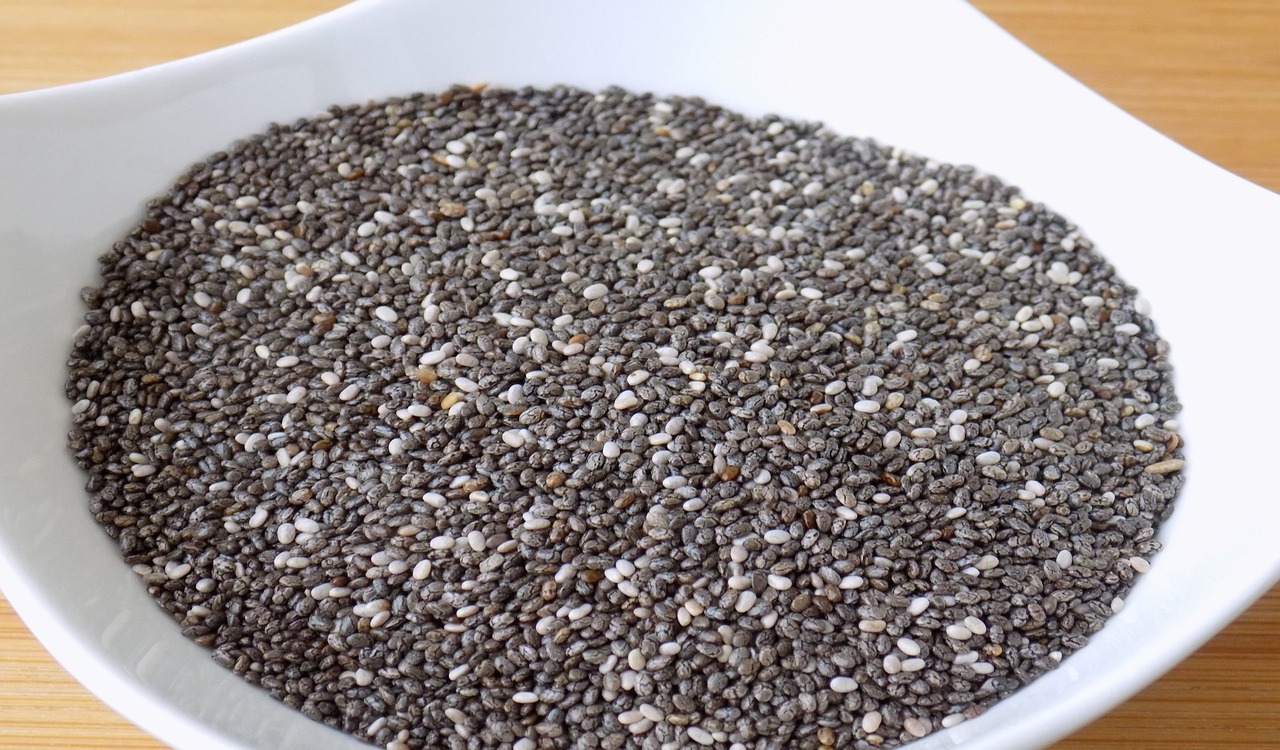
Chia seeds come from the Salvia hispanica plant. They hold key nutrients for bones. A one-ounce serving gives you about 18% of your daily calcium needs.
Calcium Content: A Plant-Based Bone Builder:
Chia seeds contain 631 milligrams of calcium per 100 grams. That’s more than a cup of milk. For older adults cutting back on dairy, this plant source fills the gap.
Your body absorbs calcium from chia better when paired with vitamin D from sun or food. Eat them daily to fight bone loss. Studies show steady calcium intake cuts osteoporosis risk by up to 30%.
Vitamin K and Magnesium: Essential Co-Factors for Bone Mineralization
Vitamin K in chia seeds helps activate osteocalcin, a protein that binds calcium to bones. One ounce provides 14% of your daily vitamin K. This step strengthens the bone matrix.
Magnesium works with it to keep bones dense. Chia offers 335 milligrams per 100 grams, or 80% of daily needs. Without enough magnesium, vitamin D can’t do its job well. Experts agree these nutrients team up to prevent fractures in seniors.
Omega-3 Fatty Acids (ALA) and Inflammation Control:
Chia seeds are rich in alpha-linolenic acid, a type of omega-3. They have 17 grams per 100 grams. This fat fights swelling in the body.
Chronic inflammation speeds up bone breakdown. Omega-3s from chia lower that process. Research links higher ALA intake to better bone density in women over 50. Add them to meals to calm inflammation and protect your skeleton.
Calcium gets the spotlight, but chia seeds do more for bones. They aid in ways that keep density steady over time. Think of them as a full support team for your aging frame.
Fiber Intake and Gut Health Connection to Bone Remodeling:
Chia seeds provide 34 grams of fiber per 100 grams. This feeds good gut bacteria. A healthy microbiome boosts absorption of bone minerals.
Poor gut health ties to faster bone turnover. Fiber from chia slows that down. New studies show it may cut bone loss by improving immune signals. Your gut affects your bones more than you might think.
Protein Contribution: Supporting Collagen Structure:
Each ounce of chia gives 4 grams of complete protein. This builds collagen, the glue that holds bone together. Without it, minerals can’t stick well.
Older adults need protein to repair tissues. Chia adds plant-based options for vegetarians. It supports the flexible part of bones, reducing brittleness. Small amounts daily make a big difference in structure.
Hydration Status and Bone Integrity:
Soak chia seeds, and they form a gel. This quality pulls water into your system. Dehydration hits seniors hard and weakens bone function.
Hydrated bones stay elastic and strong. The gel from chia helps maintain fluid balance. Drink plenty with them to support joint and bone health. It’s a simple way to fight dryness-related fractures.
Adding chia to your diet doesn’t require big changes. Start small and build up. These tips fit into senior routines easily.
Simple Preparation Methods: Soaking vs. Dry Inclusion:
Soak two tablespoons in water overnight for pudding. It softens for easy eating. Soaking boosts nutrient release and digestibility.
Sprinkle dry on yogurt or oatmeal for crunch. No prep needed. Dry works if you forget to soak, but wet forms gel for better gut flow. Pick what suits your day.
Recipe Ideas Tailored for Seniors:
Blend one tablespoon into a morning smoothie with berries and milk. It thickens without sugar. Smoothies hide the texture for picky eaters.
Mix into soft oatmeal or porridge. Stir well to avoid clumps. For savory, add to ground meat for meatballs. Bake them soft. These keep meals familiar and gentle on teeth.
Dosage Guidelines and Safety Considerations:
Aim for one to two tablespoons daily. Start with half to check digestion. Too much fiber at once can cause bloating.
Most people tolerate up to three tablespoons fine. If on blood thinners, talk to your doctor. Vitamin K might affect meds. Always check labels for purity.
Supplements promise quick fixes for bones. Chia seeds offer a natural edge. They work with your whole body, not just one part.
Whole Food Synergy vs. Isolated Supplements:
Pills give calcium alone, but chia pairs it with magnesium, vitamin K, and fats. This mix absorbs better. Your body uses whole foods more efficiently.
Isolated vitamins can miss links. Chia delivers them together, like nature intended. Studies favor food sources for long-term bone health. Skip the bottle; grab the seeds.
Cost-Effectiveness for Long-Term Skeletal Maintenance:
A pound of chia costs about $5 and lasts months. Compare to $20 monthly for calcium pills. Over a year, seeds save $150 or more.
Bulk buys drop prices further. They add fiber and protein too, unlike single supplements. For steady bone support, chia wins on wallet and wellness.
When it comes to chia seeds and bone health, the evidence is clear—these nutrient-packed seeds offer a natural boost for aging bones. Rich in calcium, magnesium, and omega-3s, chia seeds help with bone density by supporting mineral absorption and reducing inflammation. Regular consumption can strengthen bones, improve flexibility, and promote long-term skeletal wellness. However, not everyone should add them freely. It’s important to know who should not have chia seeds—such as those on blood thinners, with swallowing difficulties, or certain digestive issues. Some wonder, can chia seeds cause arthritis? In fact, their anti-inflammatory properties may help ease joint stiffness rather than cause it. Still, moderation is key. For most older adults, including a spoonful daily can make a real difference in bone strength and mobility. Simply put, Chia Seeds Power Up Skeletal Health, offering a small but powerful step toward stronger, healthier aging bones.
This information is for educational purposes only and should not be considered medical advice. Always consult with a healthcare professional for personalized guidance regarding your health, diet, and any medical conditions.
Health Education Agriculture and Logistics (HEAL) Group, based in Nepal and registered as a 501(c)(3) nonprofit in the U.S., has been a catalyst for positive change since 2014. Focusing on health, education, agriculture, and logistics, we combine local insights with innovative solutions to serve underserved and marginalized communities.
Stay updated with our latest news and initiatives! Subscribe now to join our mission and make a difference.
Leave a Reply